Organized trips offer dozens of activities, but not all are created equal. Some live up to their promises in terms of discovery, while others boil down to bus transfers between two photo stops. To gain clarity, one must compare activity formats based on criteria that are rarely highlighted: actual time spent on-site, level of interaction with the local environment, and adaptability to different traveler profiles.
Activities on organized trips: comparison by format and level of immersion
Catalogs generally group activities into broad categories. Their relevance varies depending on what the traveler is looking for: pace, contemplation, learning, or simply relaxation.
| Type of activity | Average duration on-site | Local interaction | Physical adaptability |
|---|---|---|---|
| Cultural guided tour (museum, historical site) | 1.5 to 3 hours | Medium (local guide) | High |
| Culinary or craft workshop | 2 to 4 hours | Strong (direct contact with artisans) | High |
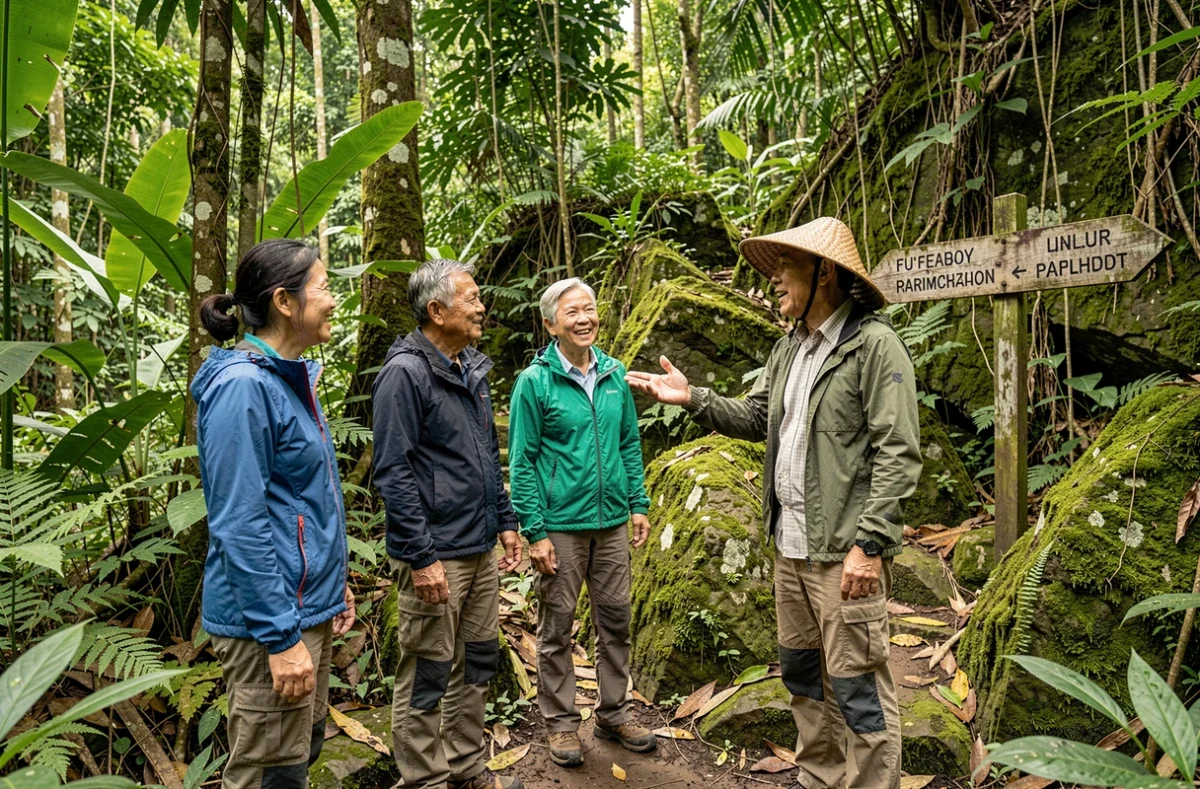
| Guided hike (nature, park) | Half-day to full day | Variable (depending on guide) | Medium to low |
| Water excursion (kayaking, snorkeling) | 2 to 4 hours | Low to medium | Medium |
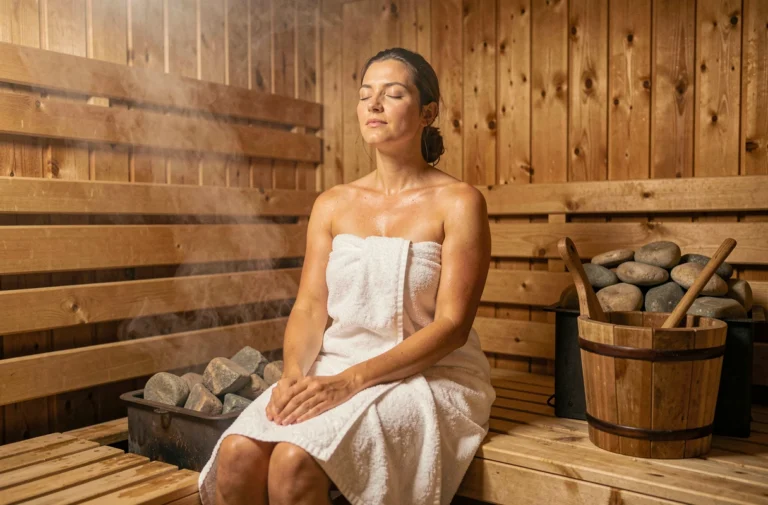
| Spa, relaxation, free time | Variable | Low | Very high |
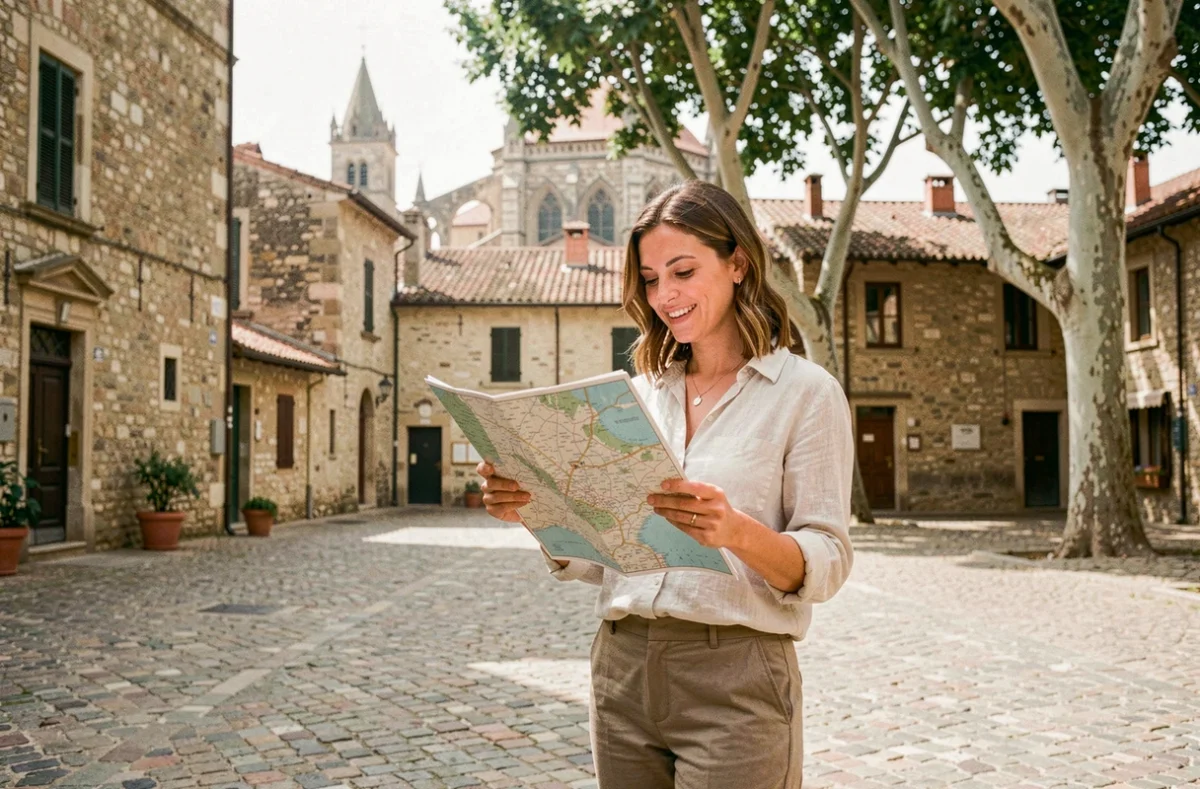
| Panoramic bus tour | Full day | Low (brief stops) | Very high |
The bus tour, ubiquitous in classic offers, has the longest duration but the lowest level of interaction. In comparison, a local culinary workshop offers more immersion in half the time.
To identify stays that incorporate these immersive formats, browsing the offers from Agence Voyage Tourisme allows filtering tours based on the nature of the activities proposed.
Accessibility of activities: a criterion missing from most tours
The majority of activity guides for organized trips overlook a central point: accessibility must be evaluated throughout the entire stay, not just for the activity itself. A pottery workshop accessible by wheelchair loses all its appeal if the transfer between the hotel and the location is not suitable.
According to studies referenced by the DMA and Tourisme & Handicaps, some water and leisure activities can already be practiced by people with reduced mobility, provided that the service provider has anticipated the entire route.
Trips for adults with disabilities: a strict regulatory framework
In France, the “Organized Adapted Vacations” approval is mandatory for stays longer than five days intended exclusively for at least three adults with disabilities. This approval also applies when the stay takes place abroad, as long as the organizer is French.
The organizer must provide measures covering safety, medical follow-up, transportation, and emergency situations. Checking this approval before booking protects against non-compliant offers.
- Check for the mention of the VAO approval on the organizer’s website or with the relevant prefecture
- Evaluate transfers between each activity: vehicle accessibility, distance between the drop-off point and the location
- Request a detailed description of the physical level required for each excursion in the program
Responsible tourism and group travel: what labels really measure
The argument “responsible travel” appears in the majority of brochures without clarity on what it actually entails. The practical guide published by Agir pour un tourisme responsable in September 2026 provides useful insights: organizers now have tools to compare offers based on sustainability criteria.
This approach goes beyond simply recommending activities. It allows for evaluating providers on factual bases: carbon footprint of transportation, compensation for local guides, waste management on-site.
Slow travel and organized tours: an apparent contradiction
Slow travel favors a slow pace, with few destinations and extended stays in the same place. Organized travel, on the other hand, often relies on a rapid succession of stops. The two approaches are not incompatible.
Some tours now include entire days in the same location, without transfers, with optional activities. A group stay with two consecutive nights in the same place reduces fatigue and increases actual exploration time.
Unusual activities on organized trips: beyond classic visits
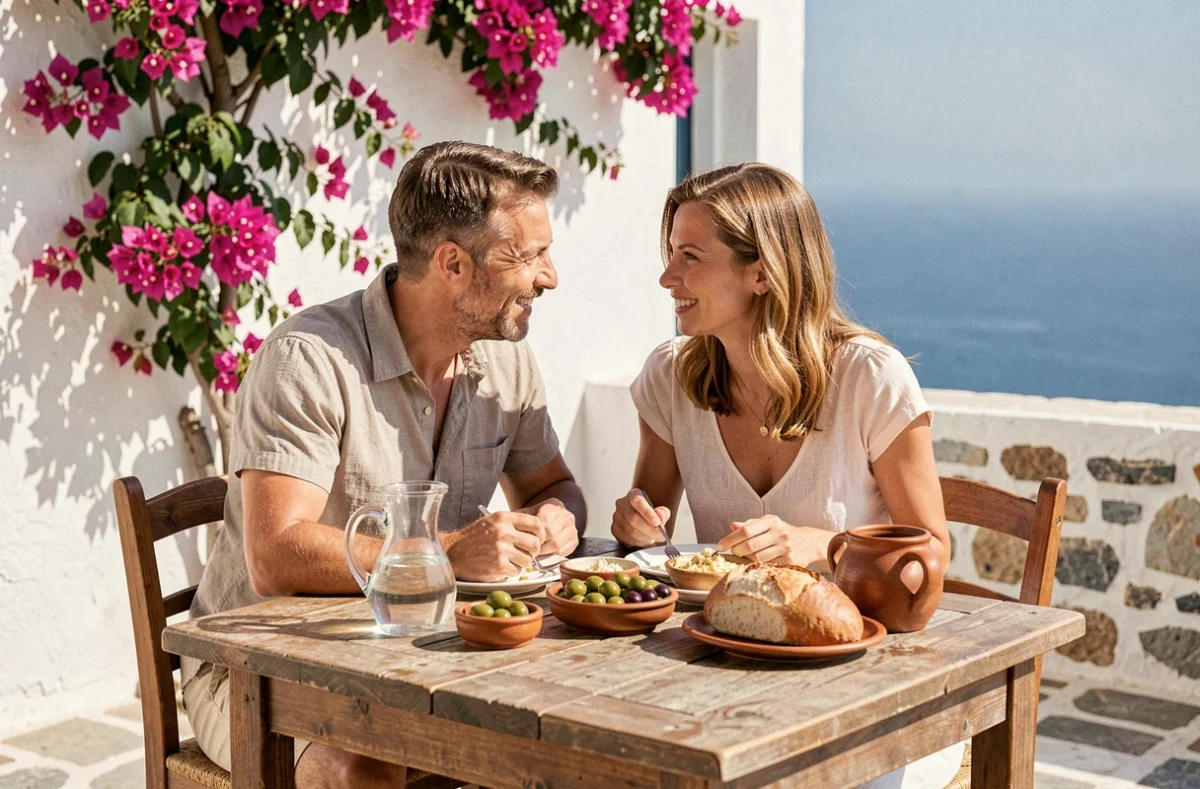
Experiences that leave a lasting impression are not always at the top of the programs. A calligraphy class, an introduction to regional cuisine, or a dawn kayaking trip create a clearer memory than a standard monument visit.
The determining factor is not the destination but the format. A participatory activity, even a simple one, creates a stronger memory anchor than passive observation.
- Craft workshops (pottery, weaving, cooking): active participation, pace suitable for all ages
- Guided nature outings (birdwatching, botanical walks): low physical intensity, high educational value
- Gentle sports experiences (paddleboarding, electric biking): accessible without prior training, ideal among friends
The most reliable selection criterion remains the duration of contact with the place or resource person. A two-hour activity with a local artisan provides more than a day on a bus between three tourist sites. It is this data, rarely displayed in programs, that distinguishes a memorable tour from an illustrated trip.