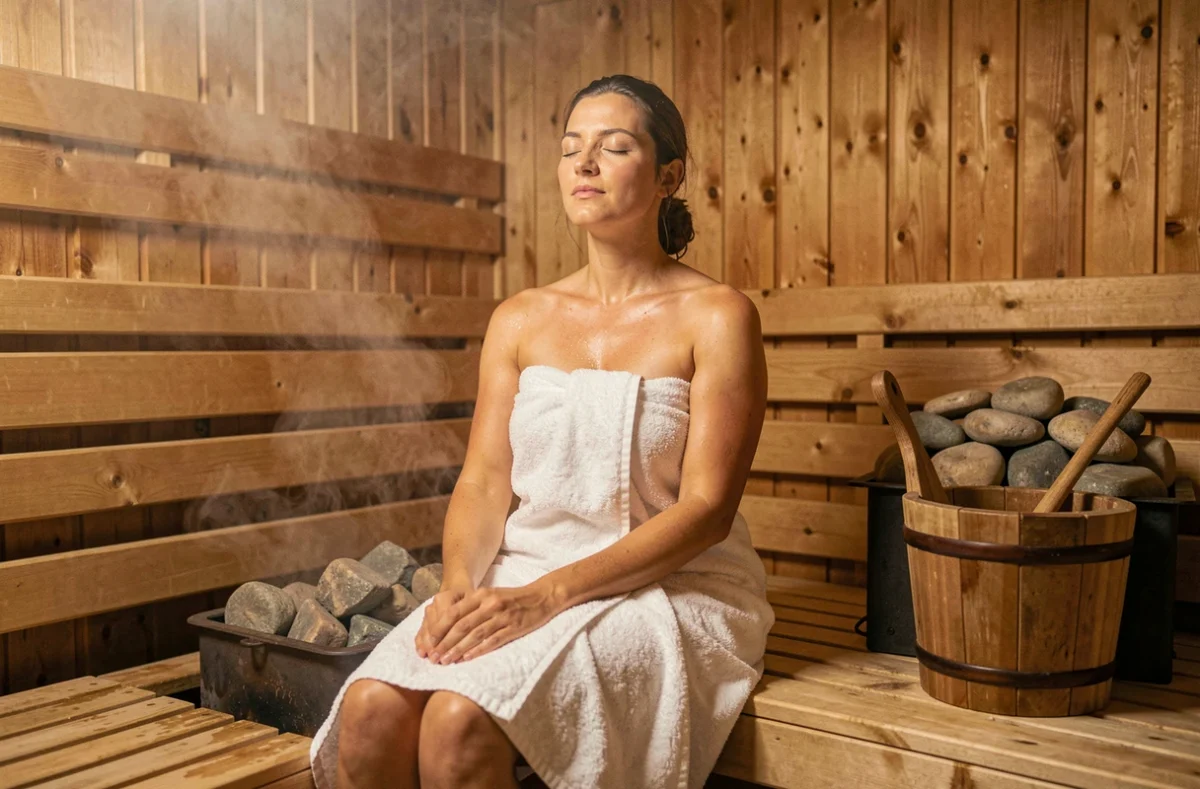
A professional sauna center is defined by a set of thermal facilities designed to expose the body to controlled heat, either dry or humid, in a safe environment. This technical definition distinguishes a public establishment from a simple home cabin: the maintenance, electrical safety, and accessibility requirements radically change the experience offered.
Electrical safety and documented maintenance in a professional sauna
The quality of a sauna center is not limited to the wood of the cabin or the lighting ambiance. Safety relies on documented and regular maintenance, an aspect rarely detailed in the brochures of establishments.
Intensive installations, used for several hours a day, require a dedicated electrical circuit protected by a differential device. An updated register of checks and technical interventions must be maintained by the operator. Without this rigor, the risk of overheating or failure increases over time.
For those seeking well-being at Sauna Imelda, transparency on these technical aspects is part of the quality commitment of a serious establishment.
Before booking a session, a few questions can help assess the seriousness of a center:
- Does the establishment have a certificate of accessibility compliant with its public reception category?
- Is the maintenance register for thermal equipment accessible or mentioned in the establishment’s communication?
- Are the safety instructions (maximum duration, hydration, contraindications) visibly displayed at the entrance of each cabin?
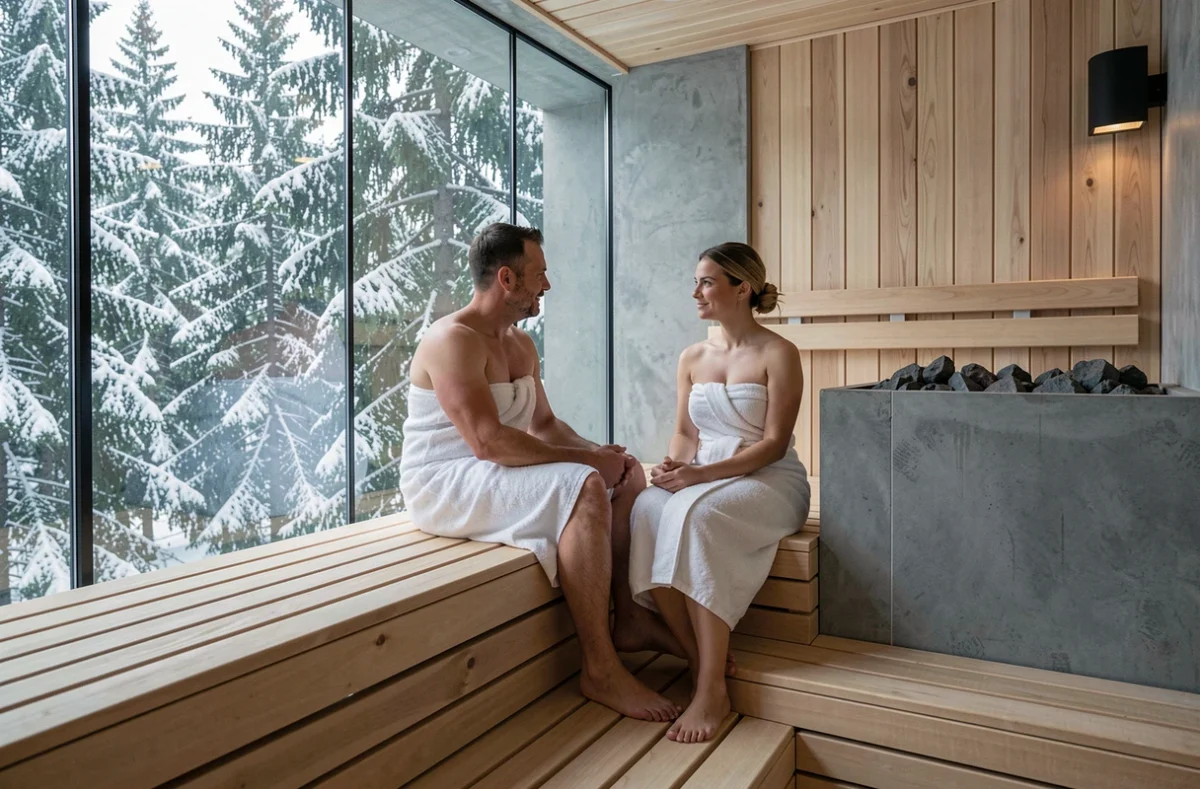
Finnish sauna, infrared or steam: understanding the differences in heat
The term “sauna” encompasses distinct technologies that do not affect the body in the same way. Confusing these variants means missing out on an experience tailored to one’s needs.
Traditional Finnish sauna
The Finnish sauna produces dry and intense heat. The ambient air is heated by a stove (often with stones), which causes rapid sweating. This type of sauna is known for stimulating blood circulation and deeply relaxing the muscles.
Infrared sauna
The infrared sauna does not heat the ambient air but directly warms the body through panels emitting infrared rays. The perceived temperature is lower, making it suitable for those sensitive to intense heat. The targeted benefits concern relief from muscle and joint pain.
Steam sauna
Often confused with a hammam, the steam sauna maintains a saturated atmosphere of humidity. This variant promotes skin hydration and the clearing of the respiratory passages. The experience is milder in temperature, but the ambient humidity makes it enveloping.
An exceptional center generally offers these three types of cabins, allowing for alternating experiences throughout the same session.
Heat-cold contrast: a ritual to adapt according to health status
The alternation between a hot cabin and a cold bath (pool, cold shower, ice bath) is at the heart of the Nordic ritual. This thermal contrast causes vasoconstriction followed by vasodilation, resulting in an immediate feeling of vitality.
This protocol is not suitable for all profiles. Individuals with cardiovascular, respiratory, or kidney conditions should consult a doctor before any exposure. Pregnant women, the elderly, and those taking medications that affect blood pressure are also subject to these precautions.
A responsible establishment displays these contraindications at the entrance and trains its staff to recognize signs of discomfort. The presence of a temperate rest area between hot cabins and cold pools is not a decorative luxury: it allows the body to gradually regulate its temperature.
Accessibility for people with reduced mobility and care pathways in a sauna center
Accessibility for people with reduced mobility in a sauna center is not limited to a ramp at the entrance. For public establishments, the entire pathway must be considered from the design stage: circulation areas, changing rooms, restrooms, doors, non-slip floors, lighting, and signage.
A certificate of accessibility is required, with modalities varying according to the category of the establishment. The most advanced centers incorporate sauna cabins with lowered thresholds, wheelchair-accessible showers, and sufficiently wide rest areas to allow maneuvering.
This aspect remains little visible in the communication of wellness centers. However, it constitutes an objective quality criterion, much more reliable than a photo of a bathrobe on Instagram.
Benefits of the sauna: what science confirms and what it nuances
Promotional messages attribute a long list of virtues to the sauna: detoxification, weight loss, immune strengthening. The scientific reality is more measured.
Passive heat improves muscle relaxation and provides calming of the nervous system. The cardiovascular benefits are less established than brochures suggest. Sweating primarily eliminates water and minerals, not “toxins” in the medical sense of the term.
The sauna does not replace physical activity or medical treatment. It serves as a complement to well-being, with effects depending on the regularity of sessions, hydration, and adherence to recommended durations.
- Hydration before, during, and after the session conditions the body’s tolerance to heat
- Sessions that are too long or too frequent cause fatigue and dehydration rather than relaxation
- The combination of sauna-massage-rest multiplies relaxation effects, provided that a recovery time is respected between each step
An exceptional sauna center stands out less by the promise of miraculous effects than by the rigor of its technical framework, the diversity of its facilities, and the honesty of its support. The quality of a session depends as much on what the establishment does not promise as on what it actually offers.