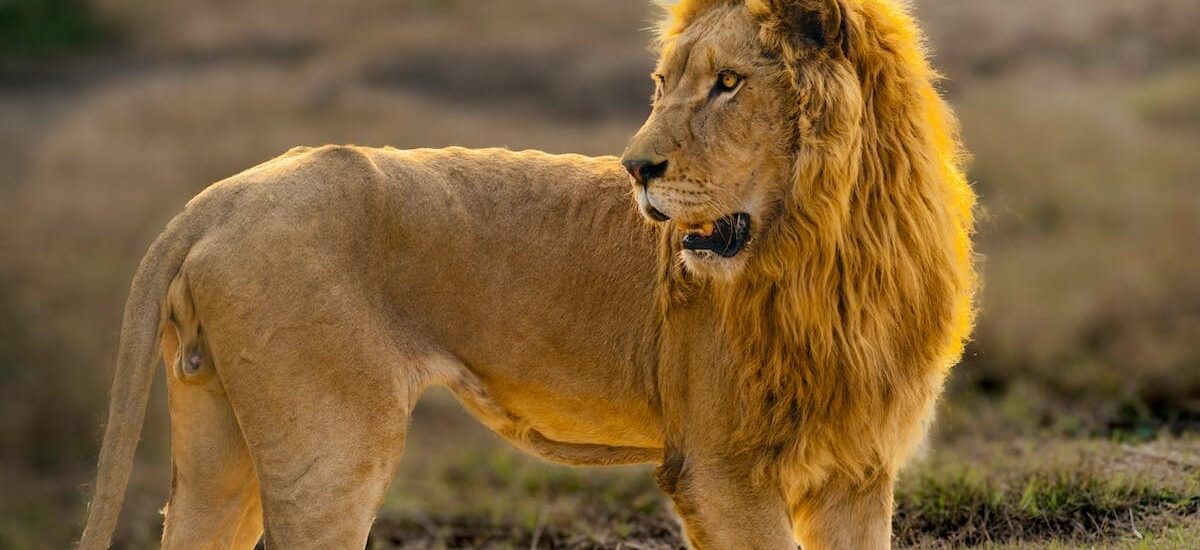
Africa, the land of the most exotic and diverse wildlife in the world, is famous for its majestic yet fearsome creatures. These animals, who reign supreme over the vast expanses of savanna, impenetrable jungles, and tumultuous rivers, are as fascinating as they are dangerous. Lions, crocodiles, elephants, buffaloes, and hippopotamuses: their power and aggressiveness make them terrifying adversaries. Their danger is not limited to their brute strength; some of them are also carriers of deadly diseases. This diversity of formidable species intrigues as much as it frightens, attracting the attention of researchers and wildlife enthusiasts from around the globe.
Majestic Predators: The Big Cats of the African Savannas
In the vastness of the African savannas, a wild hierarchy reigns where the majestic predators of African wildlife coexist. Among them, the most feared and respected animal is undoubtedly the lion. With its fiery mane and piercing gaze, it embodies raw power and wild nobility. An exceptional hunter, it can pounce on its prey with disconcerting agility. Its powerful jaw and sharp claws deliver a single fatal blow to anyone who dares venture too close.
But beyond the undisputed king of the savanna, other terrible hunters populate these golden plains: the cheetahs. These slender felines are renowned for their lightning speed, allowing them to sprint towards their prey at over 100 km/h in just a few seconds for a guaranteed fatal outcome.
When discussing the predators of the African continent, one cannot ignore those that roam the murky waters of the rivers: the Nile crocodiles. This is where the most deadly animal in Africa resides. The imposing size of this aquatic reptile conceals an immeasurable strength. A single brutal snap is enough to break any human bone. They also possess an exceptionally resilient immune system against infections.
The mysterious twilight envelops this enigmatic land when night falls. In this realm of darkness, leopards reveal themselves as formidable stealthy predators. Their spotted fur allows them to perfectly camouflage in the trees. They can seize prey in the blink of an eye, leaving no chance for escape.
How can one talk about African wildlife without mentioning the majestic mastodons that inhabit its savannas: the African elephants. These peaceful giants, however, hide an immeasurable strength and can pose a deadly danger when they feel threatened. Their immense tusks and colossal weight make them formidable opponents for any reckless intruder.
In the heart of the wild African lands, each species occupies its place in this complex and fascinating ecosystem where the law of the strongest prevails. Whether it’s the roaring lion in all its splendor or the silent crocodile patiently waiting for its next victim, these animals embody both the grandeur and the dark intrigue that this ancestral land holds.
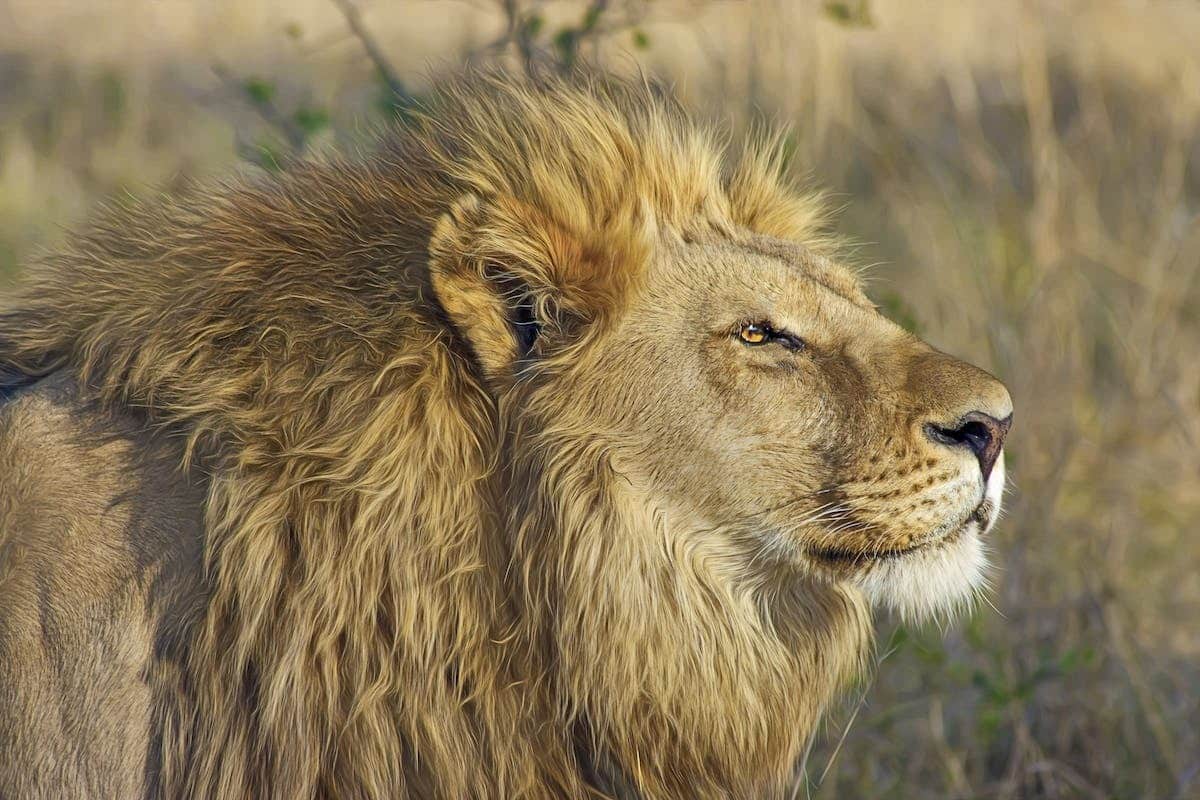
The Lion: Unquestioned King of the African Jungle
In the vastness of the African savanna, an undisputed sovereign reigns. The lion, with its fiery mane and majestic appearance, embodies raw power and wild charisma that only a true king can demonstrate.
Endowed with impressive physical strength, this magnificent animal is also a superb hunter. Its graceful stride conceals a formidable agility that allows it to pounce on its prey with surgical precision. When it attacks, it uses all its power to quickly take down its target, leaving it no chance to escape.
But beyond its exceptional physical abilities, the lion also possesses a developed strategic mind. Living in groups known proudly as a ‘pride’, it coordinates the actions of its companions to track and capture their communal meal. This exemplary collaboration is essential to ensure the survival of the group and maintain harmony within the animal kingdom.
The deep roar of the lion resonates throughout the African savanna as a warning to bold intruders who would dare challenge its authority. It is a clear signal that no one should ignore: the king has spoken.
Despite its undisputed status as the supreme predator of the African lands, the lion faces constant challenges. The reduction of its natural habitat and the pressure from human activities have a considerable impact on its population. It is now classified as a vulnerable species, highlighting the urgency of taking measures to preserve its existence.
The lion represents much more than just a majestic creature in African wildlife. It embodies the power and grandeur of a complex ecosystem where every link plays a crucial role. Protecting this iconic figure is essential to maintaining the fragile balance of nature and ensuring that future generations can also behold this unquestioned king of the African jungle.
Terrible Hunters of the Plains: The Cheetahs
Among the terrible hunters that populate the vastness of the African plains, there is one predator with unmatched grace: the cheetah. With its slender silhouette and spotted coat, this iconic animal embodies elegance and speed in its purest form.
The cheetah is recognized as the fastest land animal on our planet. Thanks to its long, slender, and muscular legs, it can reach astonishing speeds in just a few seconds. It is during a frantic chase that this exceptional athlete unleashes all its power, propelling its graceful body in a dizzying dance with the wind.
Its hunting technique is as fascinating as it is formidable. The cheetah spots its prey with its keen eyesight and then stealthily approaches using the cover provided by the tall grasses of the savanna. Once close enough, it gives everything it has to leap onto its target with surgical precision.
The cheetah’s jaws are equipped with powerful canines and sharp claws, allowing it to inflict fatal wounds on its victims quickly. Its technique often involves delivering a fatal blow to the neck or limbs to instantly immobilize the defenseless prey.
Despite all these undeniable talents, the cheetah still faces certain challenges to ensure its survival in the African plains. The reduction of its natural habitat and the loss of its primary prey are significant threats weighing heavily on its already fragile population.
It is essential that concrete measures be taken to protect this exceptional species. Targeted conservation programs must be implemented to ensure the preservation of the cheetah and allow its incomparable beauty to continue to amaze future generations.
The cheetah, with its graceful appearance and extraordinary abilities, is a living symbol of African wildlife. It represents strength, agility, and refinement in all their splendor. By preserving this magnificent animal, we contribute to maintaining the fragile balance of African ecosystems while ensuring a precious legacy for future generations.
The Fearsome Nile Crocodiles: Predators of African Rivers
At the heart of the majestic waterways that wind through the African continent, hide relentless predators: the Nile crocodiles. These fearsome reptiles inspire admiration and fear due to their unmatched power and their merciless hunting instinct.
The Nile crocodiles are among the largest reptiles in the world, with some specimens reaching up to six meters in length. Their massive bodies are covered with thick, scaly skin, providing optimal protection in their hostile aquatic environment.
What makes these creatures a true threat lies in their impressive jaws. The Nile crocodiles possess an exceptional closing force that can crush their prey with disconcerting ease. Their rows of sharp teeth easily pierce the fragile flesh of their unfortunate victims.
The hunting method of crocodiles is marked by infinite patience. They skillfully hide under the water or on the muddy banks of rivers to remain unnoticed among other animals desperately seeking drinking water.
When an animal approaches recklessly to drink or bathe near the edge, the predator then springs forth like a lightning arrow from the water to seize its prey between its terrible jaws. With a swift and precise movement, it then drags its victim to the dark depths where it will be consumed slowly.
The Nile crocodiles are formidable predators that primarily feed on fish, but they do not disdain terrestrial mammals that come to drink nearby. They can also be opportunistic, hunting other reptiles, birds, and even small domestic animals.
The relationship between humans and crocodiles often leads to conflicts. Attacks on humans are rare but can be deadly. Local communities living near rivers must take precautions to minimize the risks of interaction with these dangerous creatures.
Despite their fierce reputation, it must be emphasized that Nile crocodiles play a crucial role in the African aquatic ecosystem. As regulatory predators, they help maintain the balance between wild animal populations, thus allowing the survival of many species.
The Nile crocodiles undoubtedly represent an unstoppable natural force within the African rivers. Their raw power combined with their deadly instincts makes them fascinating and respected creatures among African wildlife. However, it is essential to find a balance between preservation and safety to coexist harmoniously with these formidable aquatic predators.
Stealthy Night Predators: African Leopards
In the mysterious vastness of the African savannas, hides a particularly fearsome predator: the leopard. With its agile silhouette and spotted coat, this animal is the master of nocturnal stealth.
The leopard is one of the largest felines in Africa and can reach an impressive size. Its slender and muscular body allows it to move with astonishing grace through the trees or in the tall grasses that make up its natural habitat.
It is during the night that this solitary hunter deploys all its strategy to track its prey. Thanks to its keen eyesight, it easily spots its targets in total darkness. Its silent approach and calculated movements give it an undeniable advantage over its adversaries.
The leopard also possesses incredibly powerful strength for its size, capable of climbing trees while carrying prey heavier than itself.
Mastodons of the Savanna: African Elephants
Now let’s dive into the majestic world of the African elephants, these true mastodons that reign supreme over the vastness of the African savanna. These imposing creatures possess a presence and grandeur that can only impress.
The African elephant, also known by the scientific name ‘Loxodonta africana’, is the largest land mammal currently living on our planet. With a height of up to four meters at the shoulder and a weight sometimes exceeding six tons, it embodies the raw power of nature.
Behind this colossal appearance lies a remarkable intelligence. Elephants are known for their complex sociability and their hierarchical social organization.
Now let’s dive into the majestic world of the African elephants, these true mastodons that reign supreme over the vastness of the African savanna. These imposing creatures possess a presence and grandeur that can only impress.
The African elephant, also known by the scientific name ‘Loxodonta africana’, is the largest land mammal currently living on our planet. With a height of up to four meters at the shoulder and a weight sometimes exceeding six tons, it embodies the raw power of nature.
Behind this colossal appearance lies a remarkable intelligence. Elephants are known for their complex sociability and their hierarchical social organization.