This ranking of dictators known for their historical cruelty is based on one main criterion: the scale of state violence mechanisms established under their authority. Here, we prioritize the systemic dimension (arrest quotas, famine planning, exceptional courts) rather than just the numerical tally of victims, which is often subject to historiographical revision.
1. Adolf Hitler – The Industrialization of Extermination
Hitler established the only industrialized genocide in modern history. Nazi extermination camps operated according to a production logic, with killing chains calibrated to maximize the number of victims per day.
The Holocaust systematically targeted the Jews of Europe, but the regime also exterminated Roma, disabled individuals, political opponents, and Soviet prisoners of war. The aggressive war launched by the Reich caused tens of millions of deaths across the European continent.
Ranking the top 10 known dictators for their brutality necessitates placing Hitler at the top, precisely because the Nazi bureaucracy transformed mass murder into an administrative procedure.
2. Stalin – Terror as Administrative Routine

Stalin’s terror was based on arrest quotas set by region. The Great Purges of the late 1930s decimated the Party, the army, and the civilian population according to numerical targets communicated to local security agencies.
Famine, particularly in Ukraine (Holodomor), resulted from a planned confiscation of harvests. The Gulag archipelago operated for decades as a tool of social control and forced labor.
As highlighted in the collective work The Cambridge World History of Violence (2020), Stalin’s violence stems from rationalized state mechanisms rather than just the individual sadism of the leader.
3. Mao Zedong – Maoist Campaigns and Organized Famine
The Great Leap Forward caused the largest famine in human history. Forced collectivization of agriculture and unrealistic production targets led to tens of millions of deaths from starvation in just a few years.
The Cultural Revolution then institutionalized denunciation and political violence on a national scale involving hundreds of millions of inhabitants. Improvised people’s courts condemned individuals based solely on ideological accusations.
4. Pol Pot – Cambodia Year Zero
The Khmer Rouge regime emptied Cambodian cities in a matter of days. The goal was to recreate a purified agrarian society, resulting in the death of a massive fraction of the Cambodian population through execution, famine, and forced labor.
Detention centers like S-21 (Tuol Sleng) operated with meticulous documentation: each prisoner was photographed, tortured during interrogation, and then executed. The proportion of the national population killed by the regime remains unparalleled in the 20th century.
5. Leopold II – The Congo as Private Property

The case of Leopold II stands out in this ranking because the Congo Free State was not a country but a personal domain. The King of the Belgians imposed a system of forced labor for rubber extraction, sanctioned by systematic mutilations (amputated hands).
Leopold’s colonial violence caused a significant demographic collapse in the Congo Basin. This regime illustrates cruelty exercised not in the name of a political ideology, but of a purely extractive and commercial logic.
6. Kim Il-sung – North Korean Totalitarian Architecture
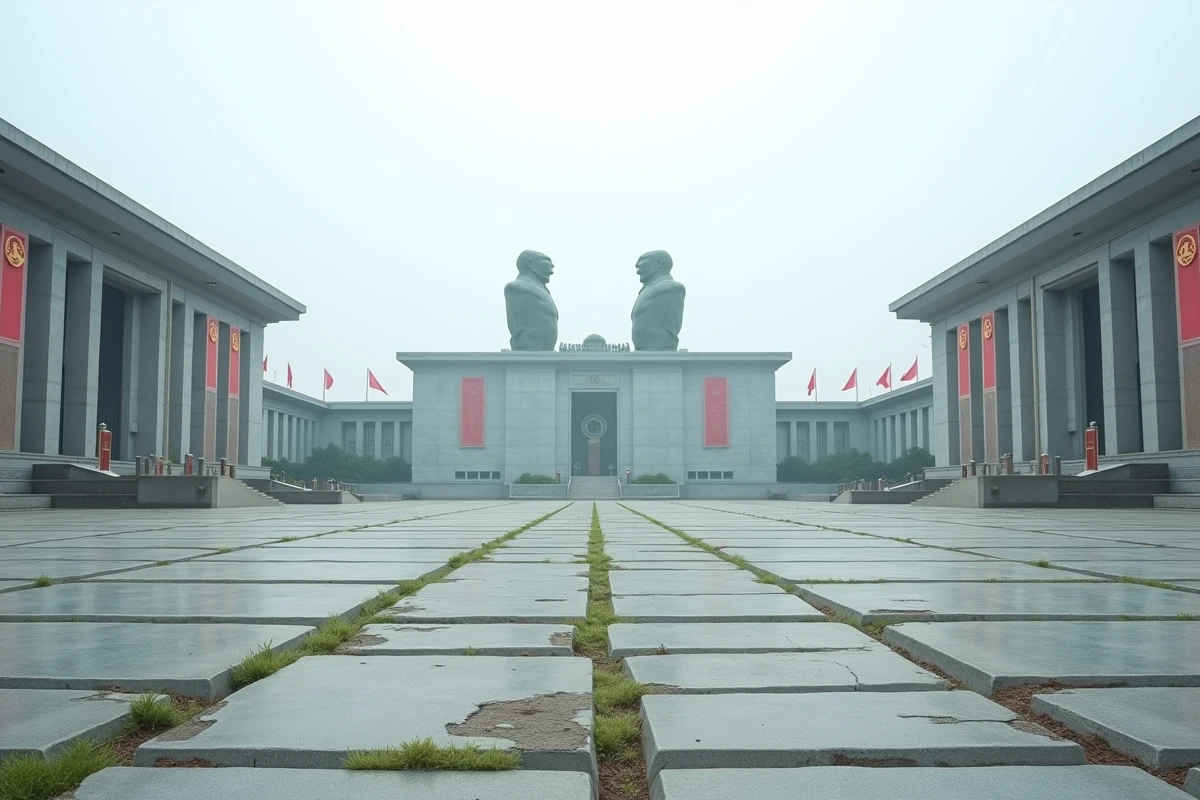
Kim Il-sung laid the foundations of the North Korean concentration system still active today. Political prisoner camps (kwanliso) operate on the principle of guilt by association: three generations of a single family can be interned for the wrongdoing of one member.
The UN Commission of Inquiry on North Korea has documented systematic crimes against humanity, including torture, public executions, and deliberate famines in the camps.
7. Idi Amin Dada – Personalized Terror in Uganda
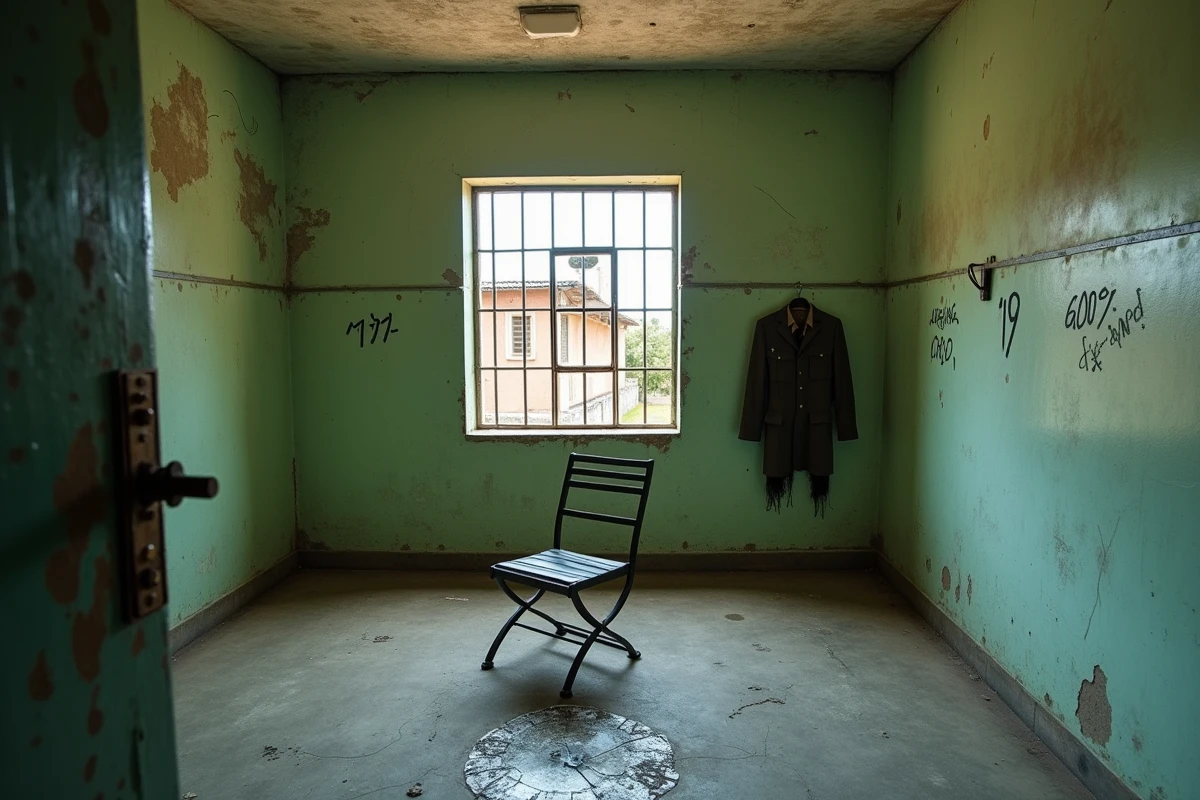
Amin Dada ruled Uganda with direct and ostentatious brutality. Political executions were sometimes public, with victims’ bodies thrown into the Nile.
His regime also expelled the Asian community from the country and carried out targeted ethnic purges within the army. Amin Dada’s cruelty is more a matter of personal and spectacular violence than the systematic bureaucracy observed in Stalin or Mao.
8. Bashar al-Assad – Systematic Torture Documented by the UN
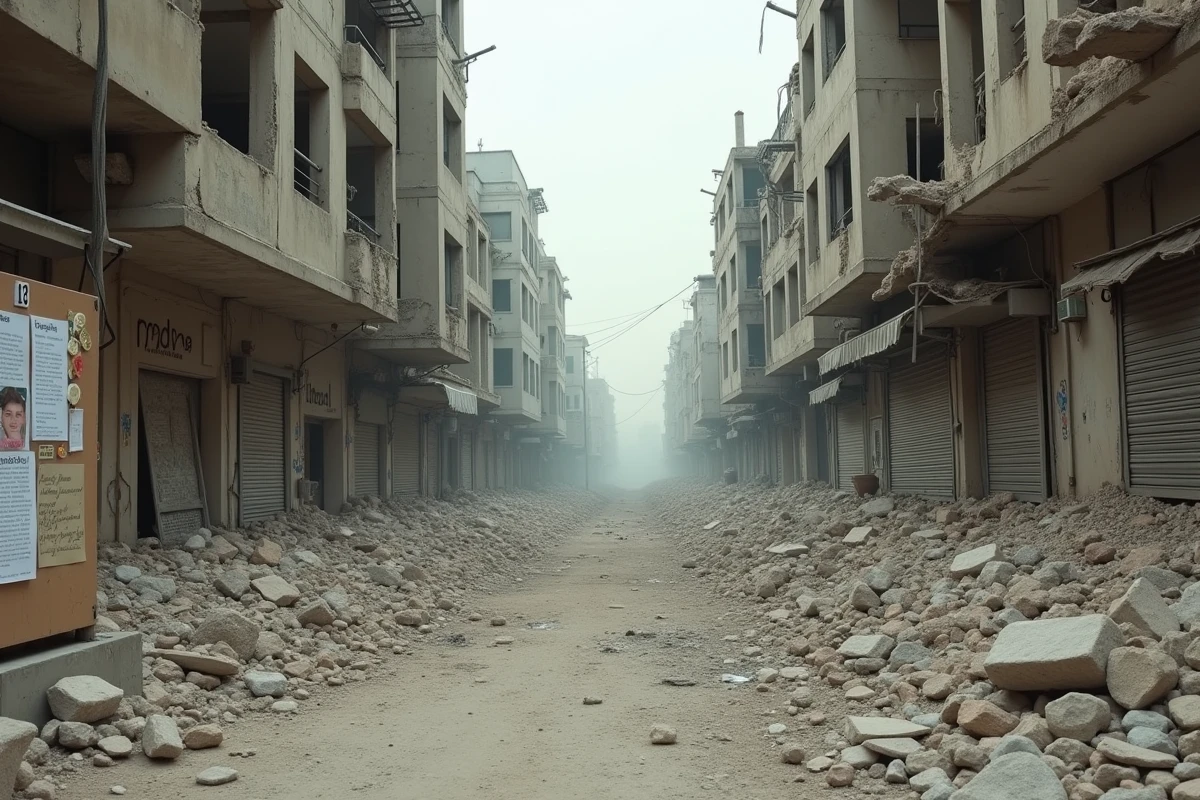
The Independent International Commission of Inquiry on Syria has published annual reports since 2012 documenting a systematic use of torture and bombardments of civilians. Photographs from the Caesar file revealed the extent of deaths in detention.
Assad illustrates that 21st-century dictatorships can reach levels of cruelty comparable to those of the previous century, using modern military means (chemical weapons, barrel bombs dropped on residential areas).
9. Rafael Trujillo – The Dominican Dictatorship and the Parsley Massacre

Trujillo ruled the Dominican Republic for three decades with total control over the state, the economy, and citizens’ private lives. The massacre of Haitians in 1937, known as the “Parsley Massacre,” was directly ordered by the dictator.
The novel The Feast of the Goat by Mario Vargas Llosa helped to highlight the intimate nature of this dictatorship, where terror relied as much on omnipresent surveillance as on direct physical violence.
10. Isaias Afewerki – Eritrea, an Open-Air Prison
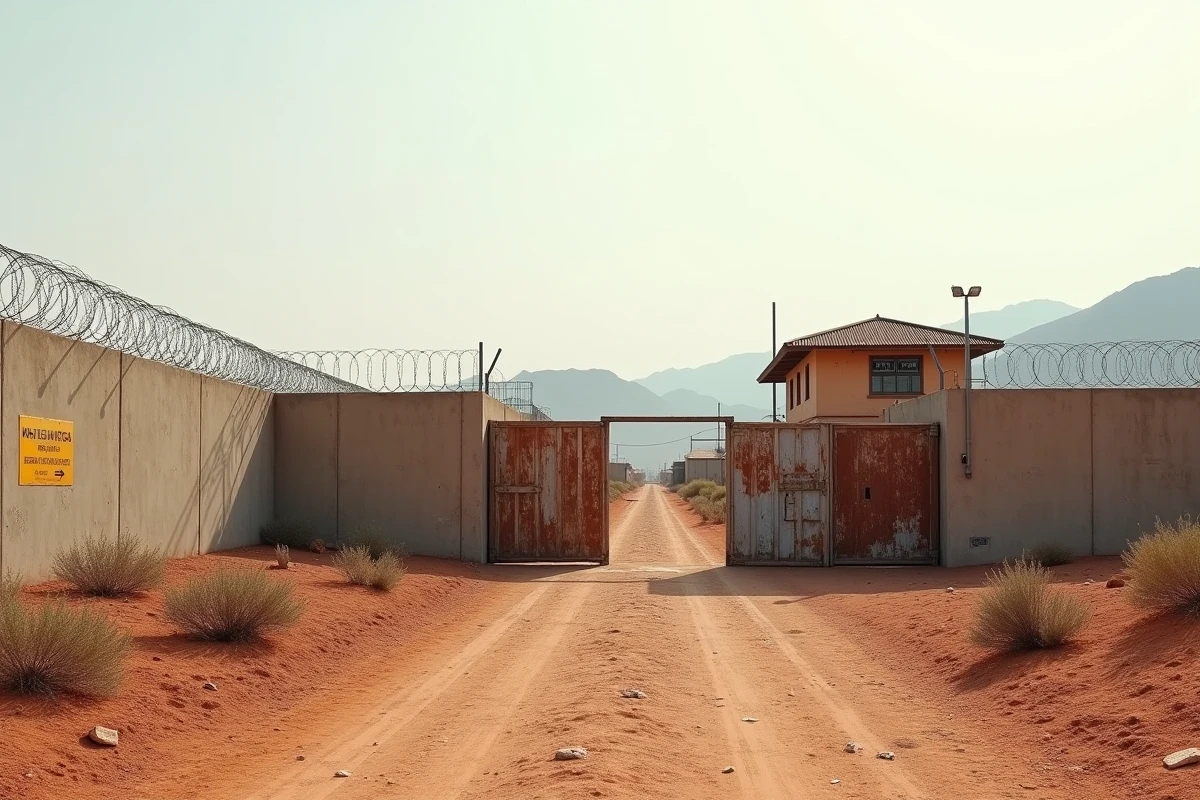
Afewerki’s Eritrea imposes indefinite military service on its population, effectively turning the entire country into a forced labor system. No elections have been held since independence, and there is no free press.
UN reports describe detention conditions akin to torture in metal containers exposed to the sun. Eritrea produces one of the largest refugee flows in the world relative to its population, a direct sign of the regime’s cruelty.
This ranking shows that the cruelty of dictators is not merely a matter of personality. The deadliest regimes have systematically relied on bureaucratic architectures of violence, from administrative quotas to extermination chains, including famine planning. The distinction between individual sadism and state terror remains the most relevant criterion for assessing the true scale of these regimes.