Body lotion remains strong. Despite the abundance of references, it continues to take center stage, supported by a loyal audience and brands that refine their offerings. On one side, Vichy relies on scientific legitimacy, while on the other, Rituals bets on sensory escape. Two lines, two universes, and a clientele that does not compromise on quality or experience.
In terms of formulation, perceived results, and brand values, the competition is fierce. But it’s also the ability to attract long-term that makes the difference. Faced with more informed consumers, these brands constantly readjust their recipes and the way they communicate with their audience.
Overview of essential brands against Rituals in the body lotion segment
The cosmetics sector is in constant motion, including in the highly contested category of body lotion. Rituals, founded in the Netherlands at the beginning of the millennium, has carved out a unique place by turning daily care into an exceptional moment. It’s impossible to overlook its revenue (2.43 billion euros in 2025) and its expanding model. Cozy boutiques, personalized experiences, attention to detail—everything is designed to transform the purchase into a wellness break. In France, and particularly in Paris, pharmacies remain a pillar for purchasing cosmetic products. Alongside the big classics, La Rosée stands out as a notable newcomer, shaking up the top 5 sales in pharmacies with a modern and transparent approach. Amazon continues to gain ground thanks to the strength of its logistics system and an ever-expanding offer in the online beauty sector. At the same time, TikTok Shop is establishing itself as the playground for spontaneous purchases, particularly appealing to younger consumers through viral recommendations and short content.
To establish themselves, Rituals’ main competitors are deploying treasures of ingenuity. Some rely on scientific endorsement, others on accessibility or the promise of a sensory journey. The French market, in transition, is divided between dynamic pharmacies, selective in search of novelties, and hypermarkets losing momentum. Brands that stand out no longer just promise effectiveness: they invest in transparency, traceability, and social commitments. Meanwhile, historical giants innovate to stay connected with an audience that explores, compares, and demands more consistency and openness.
Vichy or Rituals: what notable differences in composition, effectiveness, and sensory experience?
In the cosmetics market, demand is becoming more refined. Now, performance is no longer enough: it must be combined with sensoriality. Let’s take the duel between Vichy and Rituals. On one side, Vichy relies on its pharmaceutical heritage and recognized dermatological rigor. Its strength: hypoallergenic formulas designed to minimize allergy risks, incorporate adjusted SPF filters, and ensure optimal tolerance. The products prioritize proven moisturizing actives, volcanic-origin minerals, and impeccable safety, even for sensitive skin.
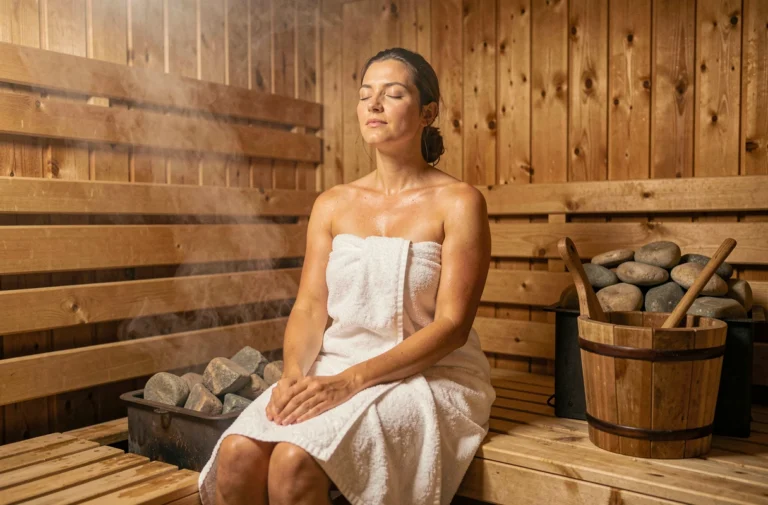
In contrast to this “laboratory” approach, Rituals prefers sensory immersion. The Sakura, Dao, Ayurveda, or Happy Buddha collections combine plant extracts, precious oils, and refined fragrances. Apricot oil, aloe vera, and other natural ingredients are highlighted to provide an enveloping experience designed for relaxation and immediate pleasure. The silky, non-greasy textures appeal to those who expect much more from a body lotion than just hydration.
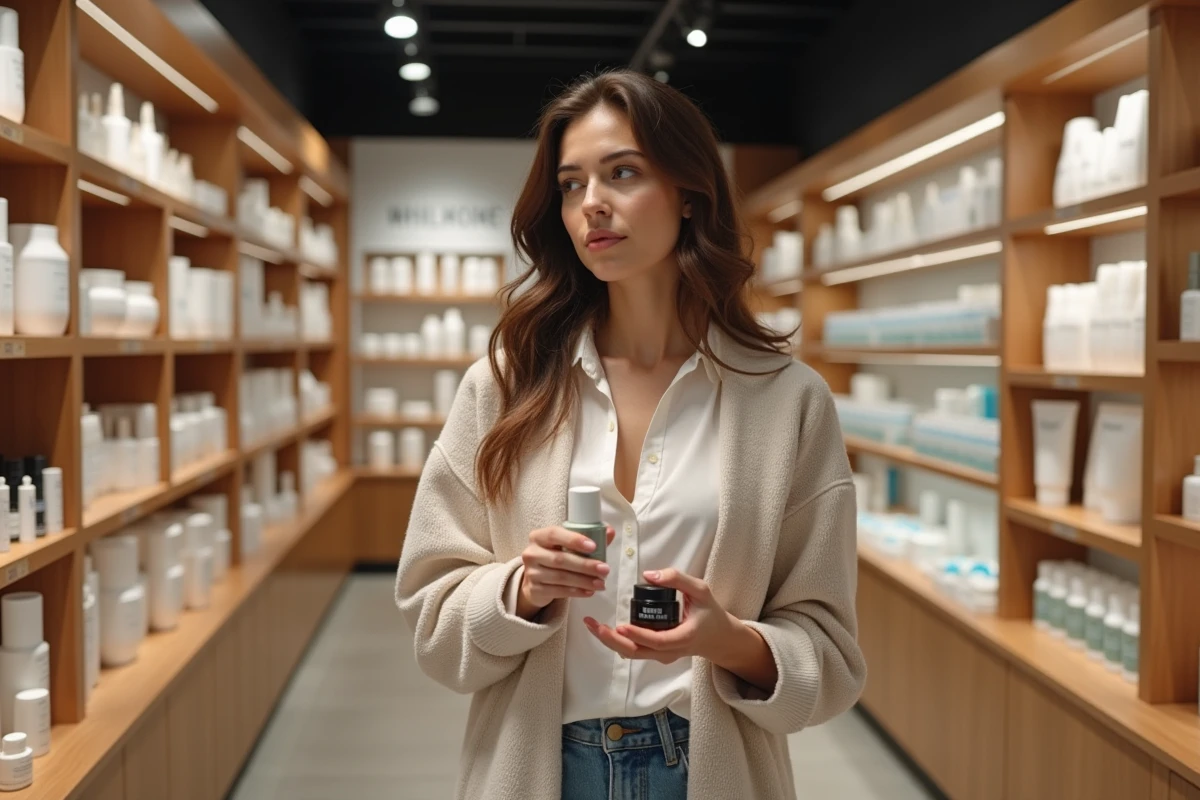
Where Vichy capitalizes on pharmacy distribution and expert advice, Rituals transforms the in-store visit into a sensory interlude: testers, hand massages, attentive welcome. Ultimately, two visions clash: one scientific, the other focused on overall well-being. Nevertheless, both pursue the same ambition: to offer an effective, safe, and pleasant-to-use care product.
Which body lotion to choose according to your needs? Practical tips and user feedback
The range of body lotions has significantly expanded in recent years. Between innovations in texture, the rise of natural ingredients, and the desire for sensory rituals, the choice is plentiful. Consumers, now better informed, scrutinize the ingredient list, look for the presence of plant oils, and often favor actives from Provence or other renowned regions. Feedback, whether from social media, pharmacies, or online retailers, confirms this growing interest in formulas that are both effective, pleasant, and skin-friendly.
On the Rituals side, the promise is clear: to offer a moment of softness, with refined fragrances and textures that quickly absorb without leaving a sticky film. The brand, omnipresent in stores, on its website, its app, or its YouTube channel, builds loyalty through the consistency of its universe and user satisfaction. Users highlight the quick absorption, fragrance longevity, and comfort felt after application.
In France, led by Paris, emerging players like La Rosée attract attention with their proximity and transparency. This dynamism translates into a multiplication of options: hydrating sun lotions, versions with organic apricot oil, specific formulas for the face or body, textures suited to the season. Recommendations also align with this: adjust the choice of lotion according to the weather, skin condition, or level of sun exposure, relying on online reviews or feedback gathered in pharmacies.
Here are some tips to refine your body lotion selection:
- For daily hydration: favor lightweight textures that are easy to apply and absorb quickly.
- In case of marked dryness: turn to formulas enriched with oils or plant butters.
- For the summer period or sun exposure: choose a suitable hydrating sun lotion SPF for your skin tone.
The body lotion market continues to reinvent itself, balancing demands for naturalness, the quest for pleasure, and new uses. Each person must carve their own path and embrace the gesture that makes a difference in daily life. After all, beauty is no longer just a simple question of product: it has become a complete experience.